
Bad Breath (Halitosis): Causes & Treatment in the Philippines
Ngipen Hub · NgipenHub Editorial Team
September 14, 2026· Last reviewed July 8, 2026
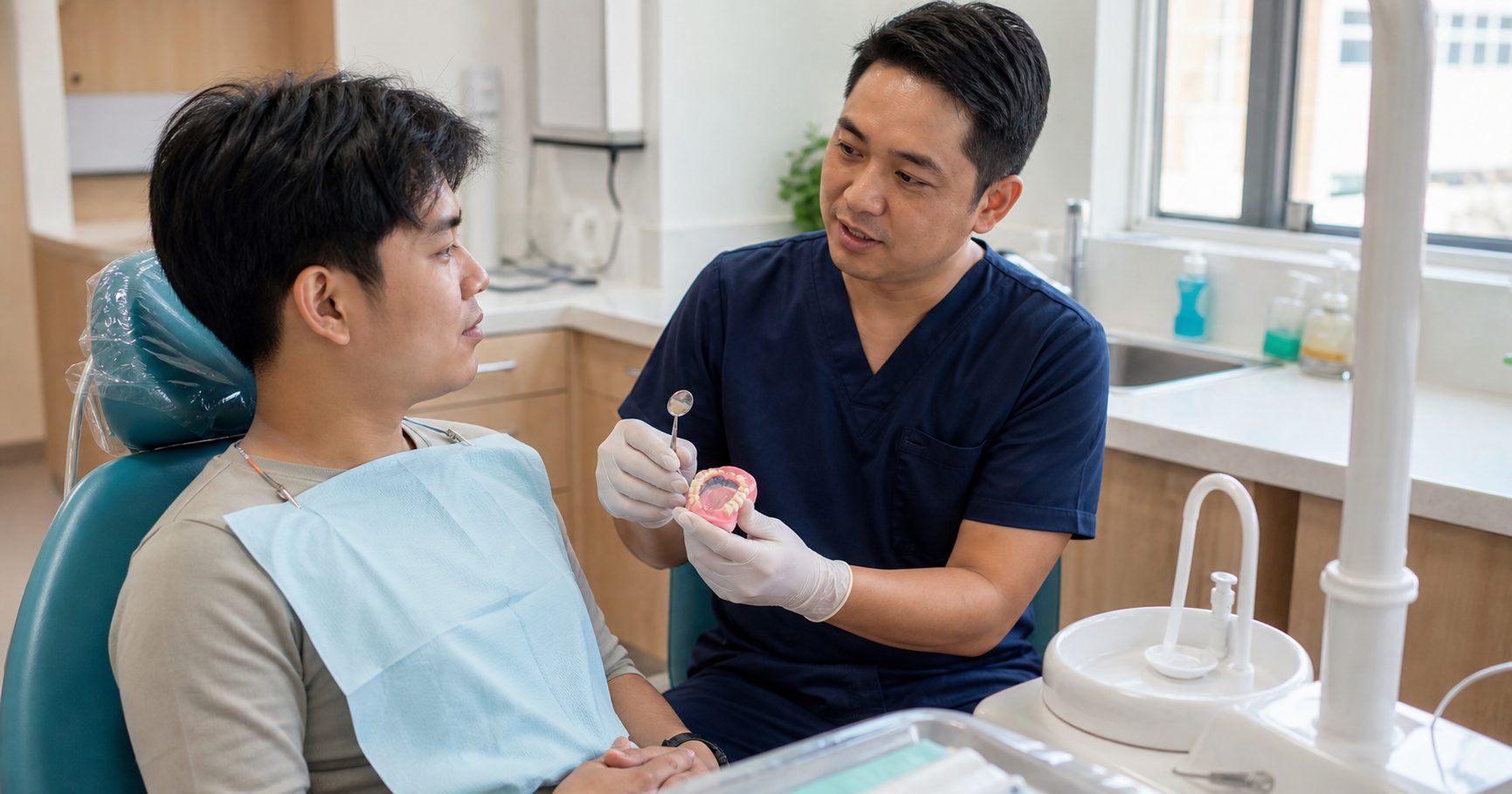
Persistent bad breath (halitosis) is one of the most common — and most quietly distressing — reasons Filipinos finally visit a dentist. The good news: in roughly 9 out of 10 cases the cause lives in the mouth, and treatment usually costs no more than a cleaning (₱700–₱1,500) plus better home care. The less-good news: mints, mouthwash, and gum only mask it, which is why "I've tried everything" usually means "I've tried everything except the actual fix."
Here's what actually causes chronic bad breath, what treatment costs in the Philippines in 2026, and when it signals something a dentist alone can't solve.
What Actually Causes Bad Breath
The smell itself comes from sulfur compounds produced by bacteria digesting food debris and dead cells. Where those bacteria thrive tells you the cause:
- Tongue coating (the #1 offender). The back of the tongue is a bacterial shag carpet most people never clean.
- Gum disease. Deep gum pockets are anaerobic bacteria heaven — persistent bad breath plus bleeding gums is periodontitis until proven otherwise (see our gum disease treatment guide).
- Cavities and food traps. Rotting food packed in a cavity or between crowded teeth smells exactly like you'd expect.
- Dry mouth. Saliva is your built-in mouthwash — mouth-breathing, dehydration, smoking, alcohol, and some maintenance medications (antihypertensives, antihistamines, antidepressants) all reduce it.
- Dentures and appliances. Unwashed dentures, retainers, and aligners grow the same films teeth do — our denture care guide covers proper cleaning.
- Beyond the mouth (~10%): chronic sinusitis and post-nasal drip, tonsil stones, acid reflux, uncontrolled diabetes (a fruity/acetone odor), and kidney or liver conditions. This is why breath that survives a dental all-clear needs a physician next.
Bad Breath Treatment Costs in the Philippines (2026)
| Cause | Treatment | Typical Cost |
|---|---|---|
| Plaque/tartar + tongue coating | Oral prophylaxis + tongue-cleaning habit | ₱700 – ₱1,500 |
| Gum disease (early) | Cleaning + improved home care | ₱700 – ₱1,500 |
| Gum disease (established) | Deep cleaning (SRP), per quadrant | ₱1,500 – ₱3,500 / quadrant |
| Cavities | Fillings | ₱1,000 – ₱3,000 per tooth |
| Infected/dead tooth | Root canal or extraction | ₱8,000 – ₱20,000+ / ₱500 – ₱3,000 |
| Non-dental causes | Physician workup (ENT, gastro, endocrine) | consultation ₱500+ onward |
Note what's not on the list: special "halitosis treatments." Legitimate clinics treat the cause; be wary of anyone selling a branded bad-breath cure package. Most HMO plans cover the consultation and often the basic cleaning — the highest-value use of a card most members forget they have (see how to use your HMO at the dentist).
The Home Routine That Actually Works
- Clean your tongue daily. A tongue scraper (₱50–₱200 at drugstores) or your toothbrush, back to front, as far as comfortable. This single habit resolves more chronic bad breath than every mouthwash combined.
- Floss nightly. Smell the floss after — that odor between your teeth is what everyone else was getting a diluted version of. It disappears within days of consistent flossing.
- Brush twice daily, two minutes, with fluoride toothpaste — including the gumline, where the film lives.
- Hydrate; chew sugar-free gum after meals. Both drive saliva, your natural rinse cycle. Especially relevant in aircon offices where nobody drinks water all day.
- Use mouthwash correctly — as an add-on, not the fix. Antibacterial rinses help after mechanical cleaning; alcohol-heavy rinses can dry the mouth and rebound worse. If you use one, alcohol-free.
- Clean appliances daily — dentures out and brushed nightly, retainers washed with mild soap (never hot water).
- Cut the fuel: smoking is a triple hit (odor + dry mouth + gum disease accelerant); coffee and alcohol dry the mouth. You don't have to quit coffee — chase it with water.
The "Morning Breath vs Halitosis" Distinction
Everyone wakes up with bad breath — saliva flow drops overnight and bacteria party. That's normal and disappears with brushing. Halitosis is breath that returns within an hour or two of brushing, every day, for weeks. The self-test that works: lick the inside of your wrist, let it dry ten seconds, smell. Or simply ask someone you trust — the nose adapts to its own smell, which is why chronic sufferers often can't detect it themselves (and why some anxious patients smell a problem nobody else can — "halitophobia" is real, and a dentist's objective check settles it kindly).
When to See a Doctor Instead of (or After) the Dentist
- Bad breath persists after a dental cleaning, cavity repair, and a month of proper tongue/floss routine → ENT check for sinusitis, post-nasal drip, or tonsil stones
- Accompanied by heartburn or regurgitation → gastro consult for reflux
- Fruity or acetone-like odor, especially with thirst and fatigue → blood sugar check, promptly
- White patches on tonsils that occasionally dislodge as smelly pellets → tonsil stones; an ENT can advise removal options
Frequently Asked Questions
Paano mawala ang baho ng hinga permanently?
Find and treat the cause: a dental cleaning plus daily tongue cleaning and flossing fixes most cases within two weeks. If breath survives that, escalate — gum disease treatment, cavity repair, then a physician workup. Permanent fixes exist; permanent masking doesn't.
Does mouthwash cure bad breath?
No — it masks odor for an hour and modestly reduces bacteria, but it can't clean under gums or inside cavities. Think of it as cologne for your mouth: fine on top of hygiene, useless instead of it.
How much does it cost to treat bad breath at a dentist?
Usually just the consultation and cleaning: roughly ₱1,000–₱2,200 total at typical Philippine clinics in 2026. Established gum disease raises that (₱1,500–₱3,500 per quadrant for deep cleaning). Both are frequently covered in part by HMO dental benefits.
Can bad breath come from the stomach?
Less often than folklore says — the esophagus is normally closed, so "galing sa tiyan" is usually actually gum disease or tongue coating. The genuine stomach case is acid reflux, which announces itself with heartburn. Rule out the mouth first; it's the 90% answer and the cheapest to fix.
Two Weeks to Fresh
Chronic bad breath is one of dentistry's most satisfying problems — common, diagnosable, and usually fixed for the price of a cleaning plus a ₱100 tongue scraper. Book a consultation on NgipenHub, get the real cause named, and stop budgeting for mints.
Find a Dental Clinic Near You
Browse dental clinics across the Philippines and book an appointment online.
Browse ClinicsDo you run a dental clinic in the Philippines?
Claim or add your clinic to NgipenHub for free and get found by patients in your city.